
Camping in the Southern vs Northern United States
Table of Contents
Camping in the southern United States and camping in the northern United States are fundamentally different experiences. Climate, terrain, wildlife, bugs, seasons, and even campsite infrastructure change how you plan, what gear you pack, and when you should go.
This guide breaks down the real-world differences between southern and northern camping so you can choose locations and seasons that actually match your comfort level and experience.
Climate and Seasonal Reality
Camping in the Southern United States
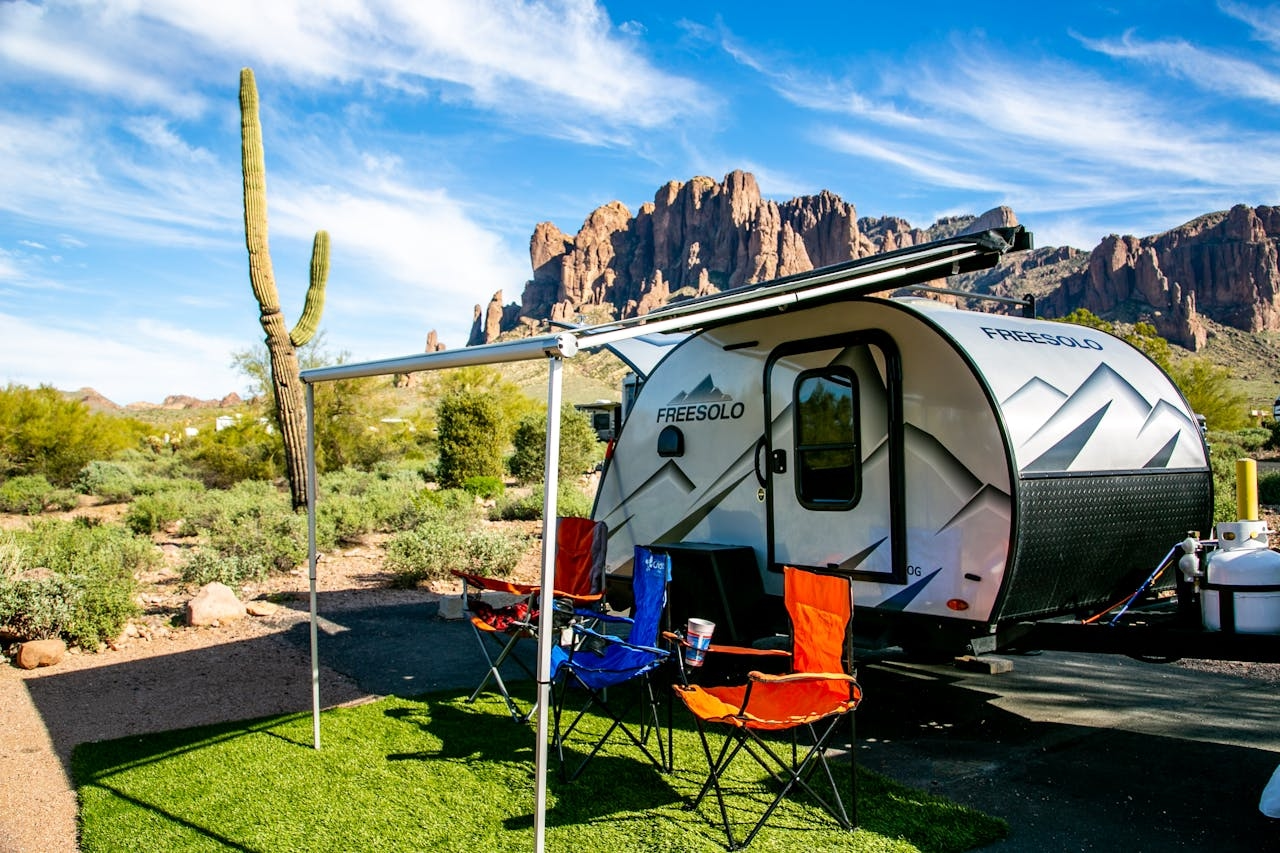
Southern camping is defined by heat, humidity, and long warm seasons. In many southern states, peak camping runs from late fall through early spring rather than summer.
- Summers regularly exceed 90°F with high humidity
- Thunderstorms are frequent and fast-moving
- Winters are mild and often ideal for camping
- Hurricane season affects Gulf and Atlantic regions
Southern campers often plan trips between October and April to avoid heat exhaustion and severe storms. Coastal and swamp-adjacent campgrounds require extra weather awareness.
If you’re looking for detailed guide on Camping in the Southern United States, our guide Camping in the South: The Best Wilderness, Beaches, and Bayous Across Dixie covers everything you need to know for camping in the South, from camping destinations to permits and reservations.
Camping in the Northern United States
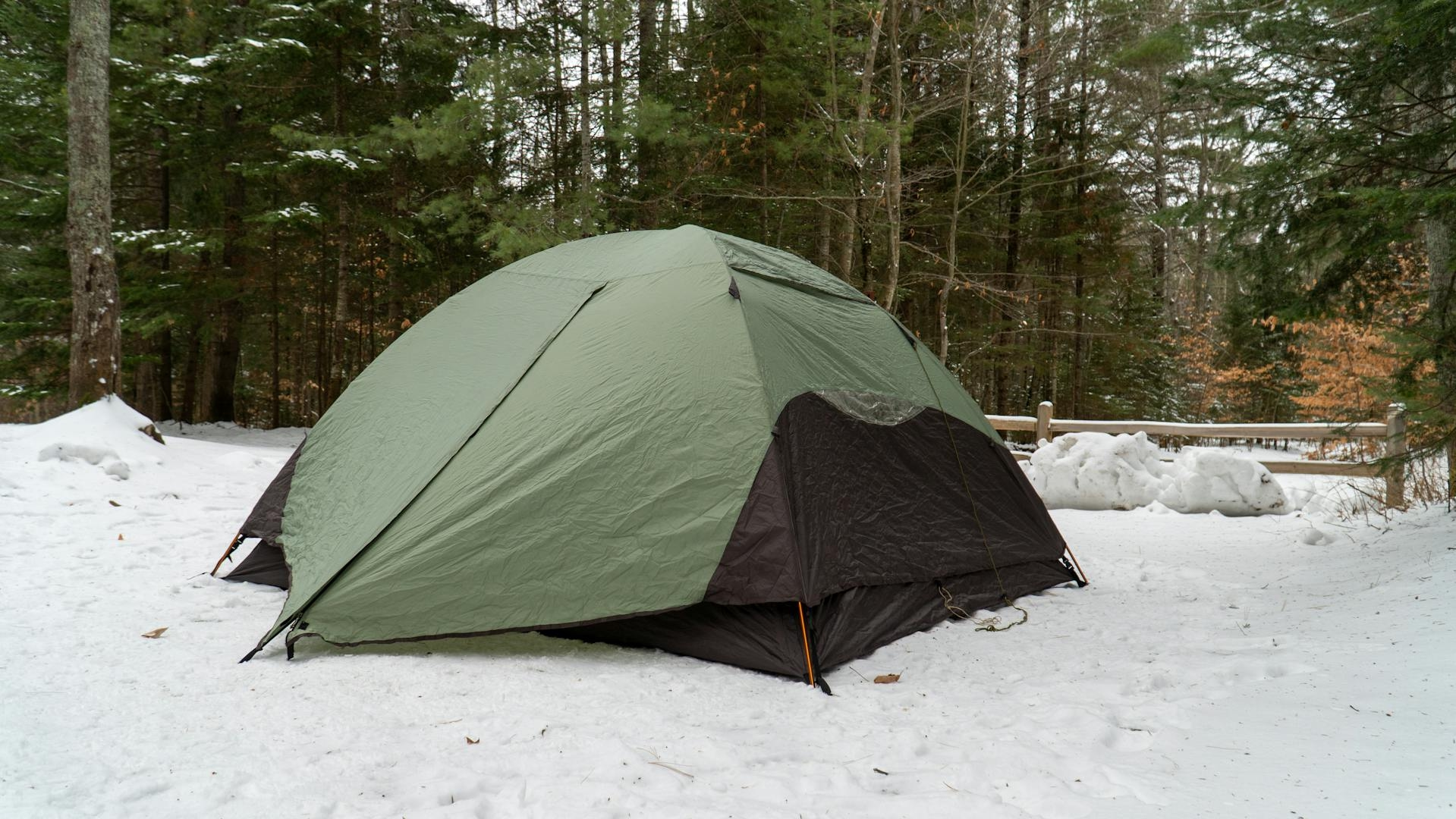
Northern camping is shorter, colder, and more seasonal. Summer is prime time, but shoulder seasons demand serious preparation.
- Shorter camping season overall
- Cool nights even in summer
- Cold-weather gear required outside peak months
- Snow and road closures common in spring and fall
In northern regions, many campgrounds close entirely during winter, and backcountry travel often requires winter survival skills.
If you’re looking for detailed guide on Camping in the Northern United States, our guide Camping in the North: The Ultimate Guide to America’s Wildest, Most Rewarding Backcountry, covers everything you need to know for camping in the North, from camping destinations to permits and reservations.
Terrain and Landscapes
Southern Terrain
Southern landscapes tend to be lower elevation with dense vegetation. Expect forests, wetlands, beaches, and rolling hills rather than alpine environments.
- Pine forests and hardwood forests
- Swamps, marshes, and river systems
- Coastal barrier islands and beaches
- Less elevation change overall
Drainage matters in the South. Poor site selection can leave you camping in standing water after a storm.
Northern Terrain
Northern camping is more rugged and elevation-driven. Mountains, large lakes, and expansive wilderness areas define the experience.
- Mountain ranges and alpine zones
- Glacial lakes and rivers
- Wide temperature swings by elevation
- More dispersed and remote campgrounds
Northern sites often reward preparation with solitude, dramatic scenery, and cooler conditions.
Bugs, Wildlife, and Comfort
Southern Camping Challenges
Bugs are the biggest comfort issue in southern camping.
- Mosquitoes active most of the year
- Ticks common in warm months
- Fire ants in many regions
- Snakes active for longer seasons
Bug nets, permethrin-treated clothing, and careful campsite selection are not optional in many southern environments.
Northern Camping Challenges
Northern campers deal with fewer species but higher intensity during peak season.
- Mosquitoes and black flies in early summer
- Bears and large mammals in wilderness areas
- Cold exposure risks outside summer
Food storage and wildlife awareness are more critical in northern backcountry camping.
Best Times to Camp: South vs North
| Region | Best Months | Months to Avoid |
|---|---|---|
| Southern US | October to April | June to August |
| Northern US | June to September | November to March |
Choosing the wrong season is the most common mistake new campers make when traveling between regions.
Gear Differences That Actually Matter
Southern Camping Gear Priorities
- High airflow tents
- Lightweight sleeping systems
- Bug protection and repellent
- Rain-ready shelter
Northern Camping Gear Priorities
- Insulated sleeping bags
- Layered clothing systems
- Bear-resistant food storage
- Four-season weather awareness
Gear that works in one region often fails in the other.
Frequently Asked Questions
Is camping easier in the South or North?
Southern camping is easier in winter. Northern camping is easier in summer. Outside those windows, both regions demand experience and preparation.
Which region is better for beginners?
Beginners often find southern winter camping or northern summer camping more forgiving than extreme heat or cold.
Is wildlife more dangerous in the North?
Northern regions have larger mammals, but southern regions have more year-round exposure to insects and reptiles. Risk depends on awareness, not location.