
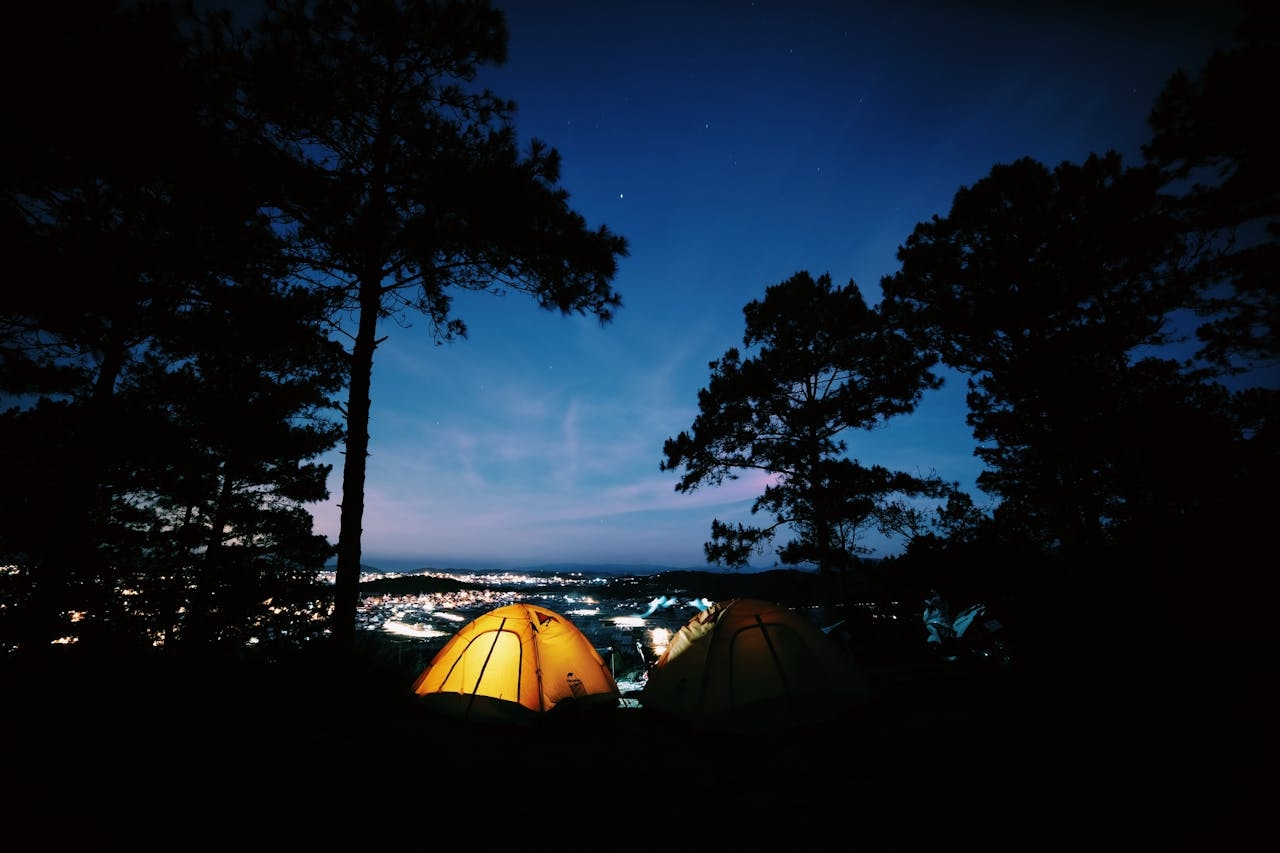
West Coast and East Coast Camping Trips
Table of Contents
Camping across the United States offers two very different, yet equally compelling outdoor experiences. Whether you’re drawn to craggy Pacific shorelines and towering redwoods on the West Coast or the lush Appalachian forests and Atlantic beaches on the East Coast, this guide helps you plan meaningful, practical camping adventures. You’ll learn top destinations, essential logistics, and how to choose the best coast for your style of wilderness trip.
Why Compare West Coast and East Coast Camping?
Your camping destination shapes the entire experience — from terrain and weather to wildlife, crowd levels, and travel logistics. Both coasts deliver their own magic, but they also come with unique considerations that matter when planning a memorable trip.
West Coast Camping Trips
The West Coast delivers dramatic coastlines, expansive forests, high mountain ranges, and volcanic landscapes. It’s ideal for backpackers, road-trippers, surfers, and anyone craving varied terrain within a single trip.
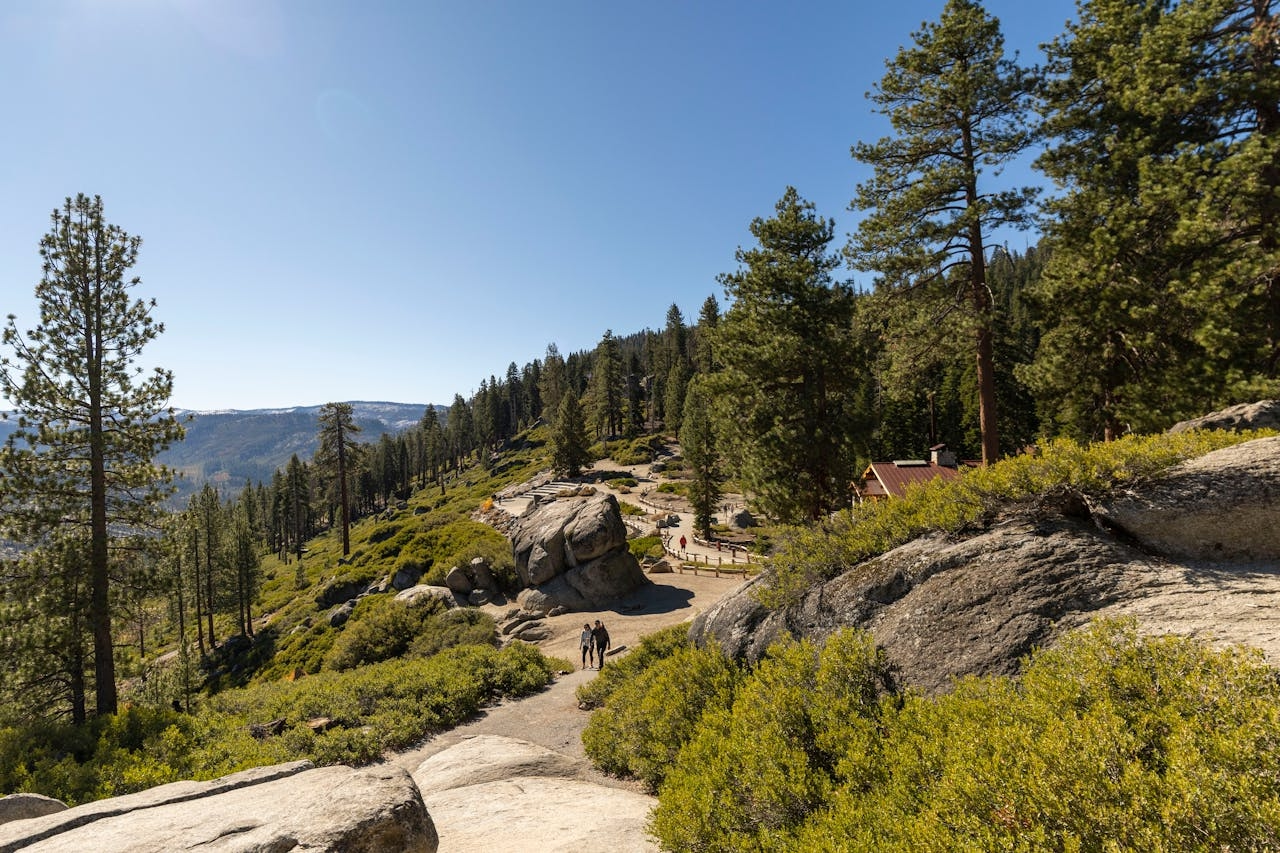
Top West Coast Camping Destinations
- Big Sur and Coastal California – Standout campsites near Andrew Molera State Park offer walk-in primitive camps and scenic trails through redwoods and beaches. Reservations are essential at many West Coast locations due to high demand.
- Olympic National Park, Washington – A blend of rain forests, alpine peaks, and rugged Pacific coastline with backcountry and developed campgrounds.
- Yosemite National Park, California – Iconic campsites like Upper Pines provide excellent access to waterfalls, granite domes, and high-country hikes.
- Crater Lake National Park, Oregon – Crystal-clear water views and forested camping with hiking trails up to stunning viewpoints.
- West Coast Beaches and State Parks – Sunset Bay State Park in Oregon and numerous beach-side campgrounds allow beach combing, swimming, and hiking along sea cliffs.
Practical Tips for West Coast Camping
- Reserve Early – Many coastal and national park campgrounds require reservations months ahead, especially in summer.
- Variable Weather – Foggy mornings along the coast and heat inland mean layered clothing and gear for a range of conditions.
- Understand Restrictions – Some areas may have temporary camping bans or closures to protect ecosystems, so check official park notices before arrival.
East Coast Camping Trips
The East Coast blends rolling forests, historic landscapes, river valleys, barrier islands, and coastal dunes. It’s perfect for first-time campers, families, and those seeking seasonal color or beachside nights under the stars.
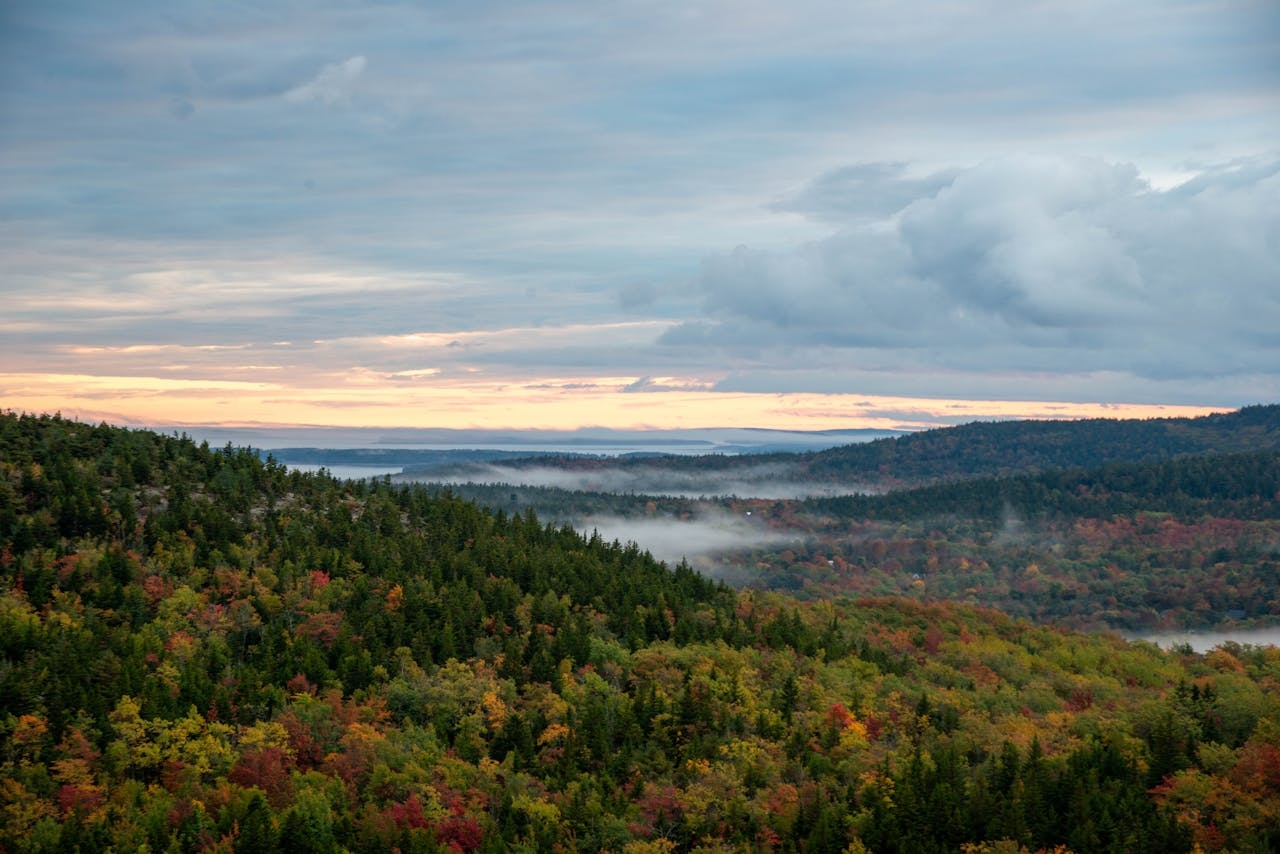
Top East Coast Camping Destinations
- Acadia National Park, Maine – Rocky oceanfront, dense forest, and Cadillac Mountain sunrise hikes make this an East Coast classic.
- Great Smoky Mountains National Park – Offers deep woods, waterfalls, and abundant wildlife along Appalachian trails.
- Sebago Lake State Park, Maine – A versatile campground with swimming, boating, and hiking opportunities.
- Cape Henlopen State Park, Delaware – Beachside camping close to Atlantic surf and bike trails.
- Outer Banks and Ocracoke Island – Barrier-island camping with stargazing and wild coastal landscapes.
Practical Tips for East Coast Camping
- Seasonal Planning – Fall foliage in the northeast adds vivid color but temperatures can drop quickly; pack accordingly.
- Mixed Access – Many East Coast campgrounds are easily reachable but can fill up on weekends during peak season.
- Beach Safety – Atlantic surf conditions change rapidly; be cautious when swimming and check local advisories.
West Coast vs East Coast Camping: What’s Different?
There’s no universally “better” coast — it depends on what you want:
- Weather Patterns – West Coast offers more predictable sunny summer conditions, while the East Coast can be more humid and variable.
- Scenery – West Coast excels with towering ocean bluffs, mountains, and big skies; the East Coast offers lush forests, historic landscapes, and long sandy beaches.
- Accessibility – Eastern campgrounds tend to be closer to population centers, often easier to reach for shorter trips.
- Crowds – Popular West Coast coastal sites and national parks can be crowded without reservations; East Coast spaces fill quickly near peak seasons.
Essential Gear Checklist
- Tent with durable rainfly
- Sleeping bag rated for expected temperatures
- Cooking stove and fuel
- Water filtration or purification
- Headlamp or flashlight with spare batteries
- First aid kit and weather-appropriate clothing
Conclusion: Choose Your Outdoor Adventure
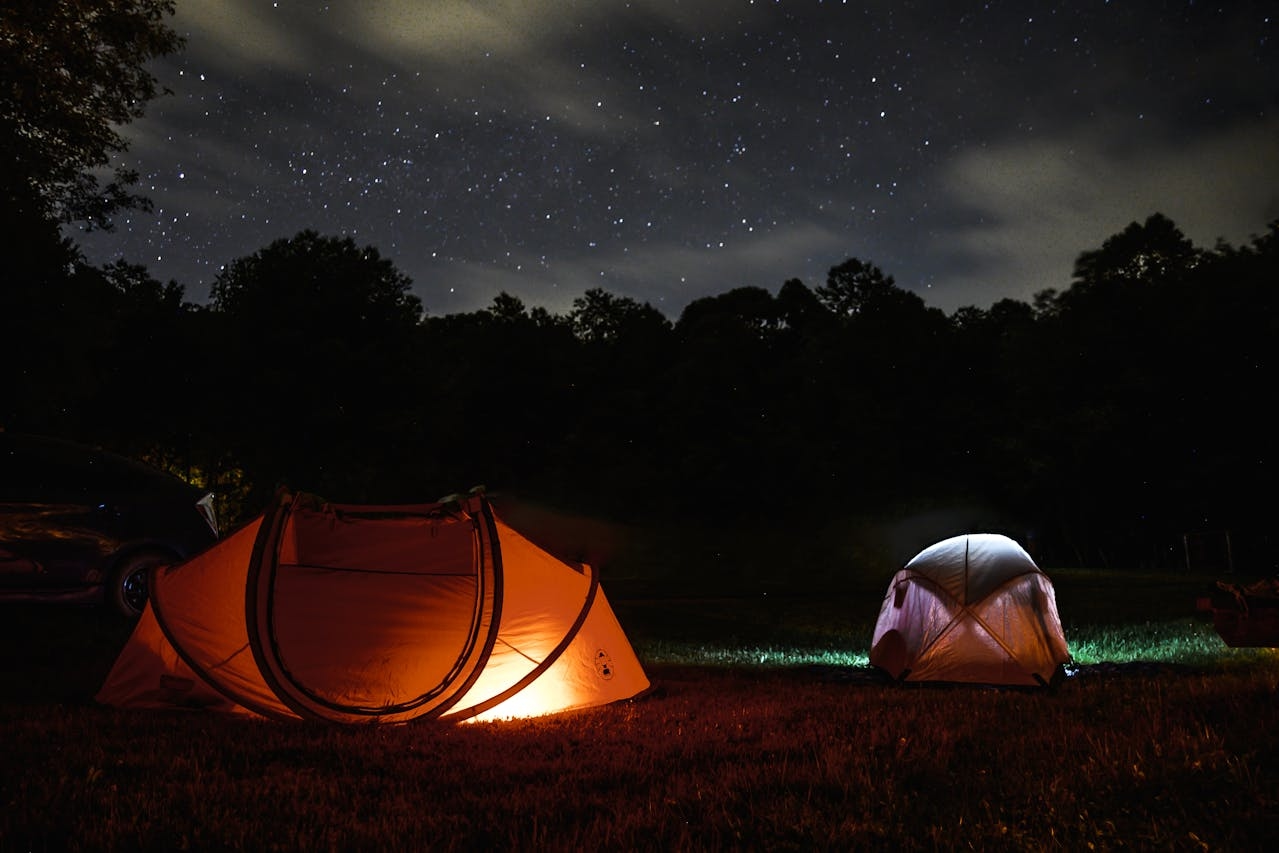
Whether you’re mapping a cross-country road trip along the Pacific Highway or seeking coastal sunsets on the Atlantic shore, both West Coast and East Coast camping trips offer unforgettable natural beauty and outdoor recreation. Plan ahead, respect local regulations, pack appropriately for varying weather, and prioritize leave-no-trace principles to ensure safe, enriching wilderness experiences.
Next Steps for Your Trip
- Check campground reservation windows and book early
- Research specific seasonal weather forecasts for your dates
- Create a route plan with backup campgrounds and water sources
- Consider joining a camping community or forum for tips