
Camping Safety Tips for Families: A Complete Guide to Camping with Kids
Table of Contents
Camping with children is one of the most rewarding ways to experience the outdoors as a family. It builds confidence, independence, and a love of nature that lasts a lifetime. But with great adventure comes real responsibility: kids are naturally curious and can get into danger without clear rules, preparation, and supervision. This comprehensive guide covers camping safety tips for families, especially camping with kids, giving you practical, trustworthy, experience-based advice you can use to plan a fun and safe trip that keeps your family protected and happy.
Whether you are a seasoned camper or prepping for your first family trip, this guide will help you reduce risk, prevent common hazards, and make the outdoors safe, enjoyable, and memorable for your children.
Why Camping Safety With Kids Requires Extra Planning
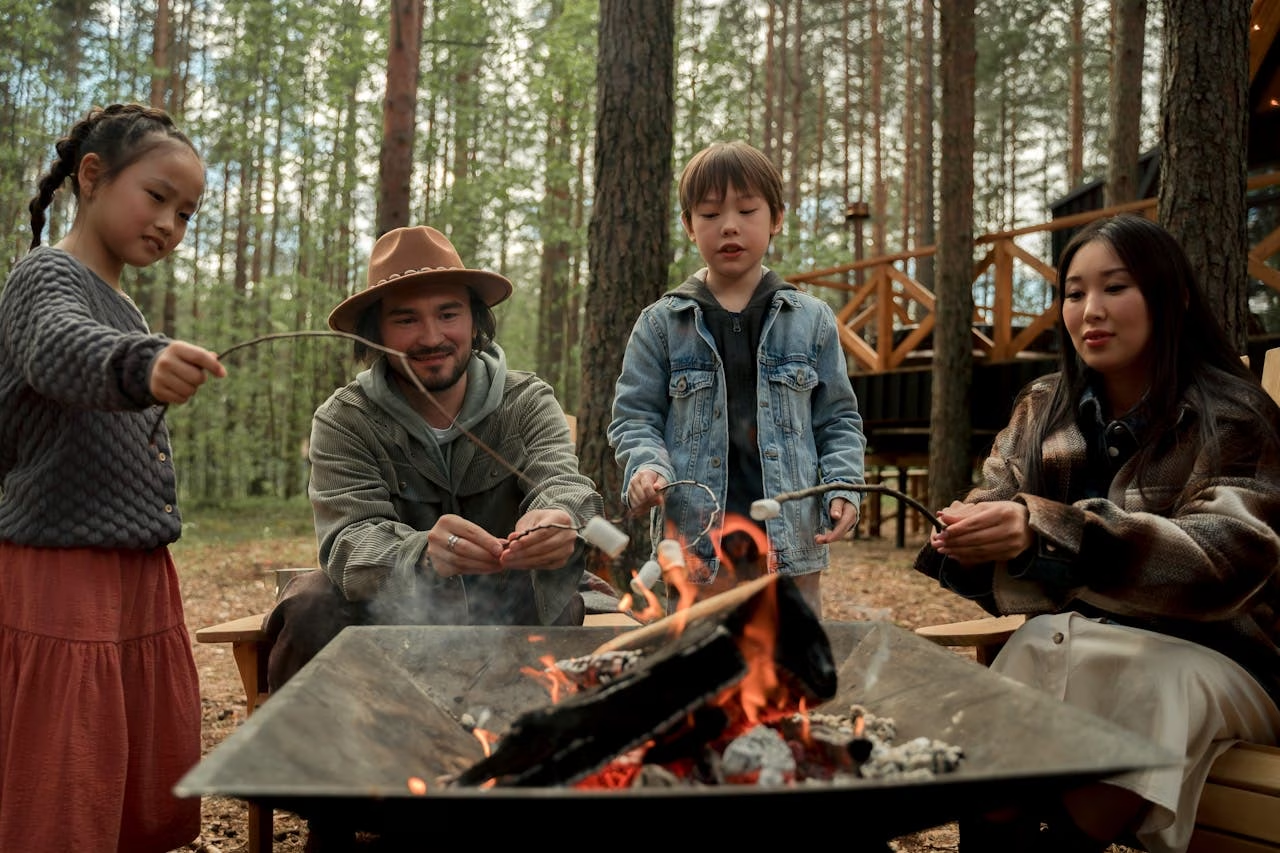
Camping exposes kids to new terrain, new routines, and new risks: open water, campfires, wildlife, weather changes, insects, and unfamiliar terrain. Without preparation and clear expectations, even a short walk can turn into a stressful situation. Thoughtful safety planning and communication help kids build independence without putting them at risk. By setting ground rules and anticipating hazards, you can focus more on fun and less on panic.
Pre-Trip Planning: The Foundation of Safe Family Camping
Choose a Family-Friendly Campground
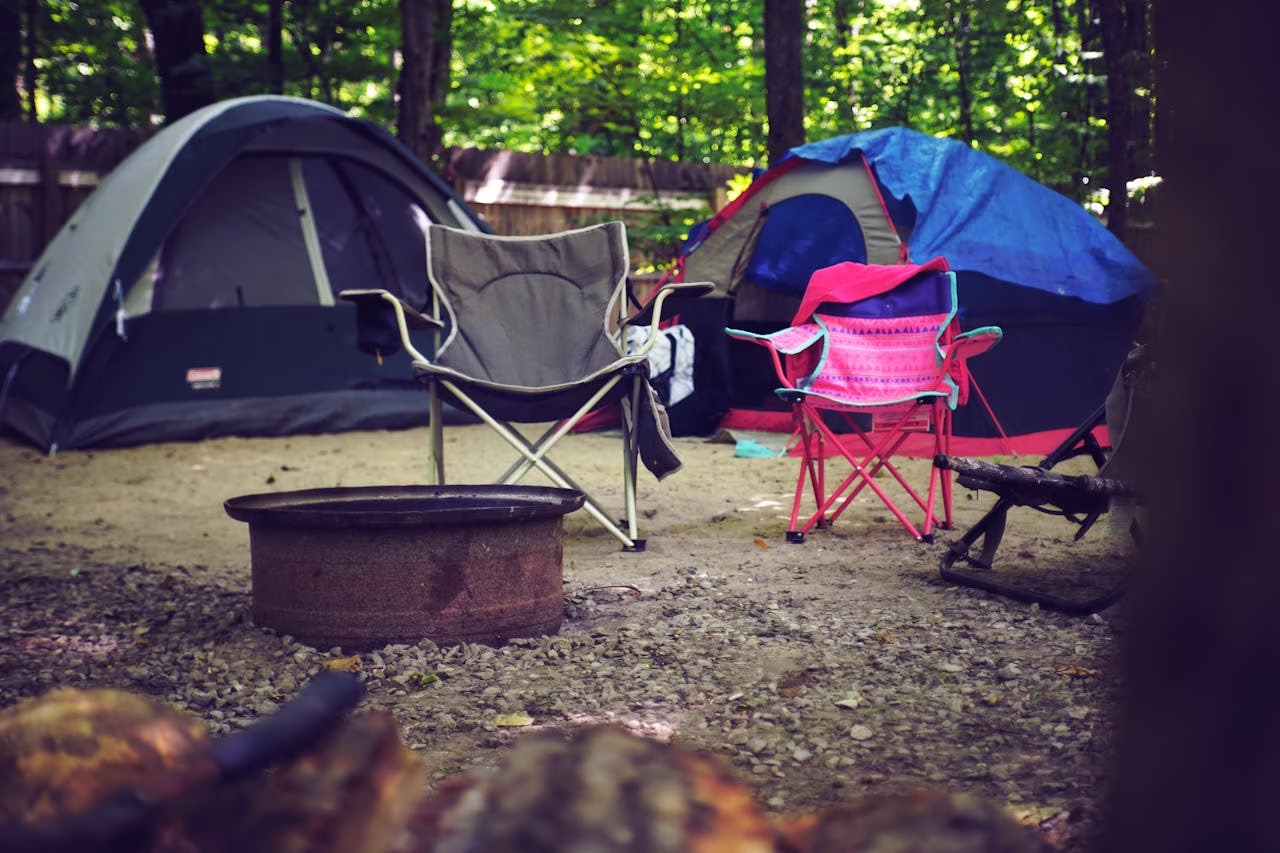
Select a campground with amenities suitable for families — like bathrooms, play areas, and clear trails. Sites close to emergency services can reduce stress for first-time campers and give quick access to medical help if needed.
Learn the Area
Before you go, research trail difficulties, water access, wildlife concerns, and weather conditions. Call the ranger station to ask about current hazards, like flood warnings or wildlife sightings.
For regional planning differences, see:
Pack Smart and Pack Early
A well-organised packing list is the backbone of camping safety:
- First-aid kit including bandages, antiseptics, allergy meds, tweezers, and blister care.
- Sun protection (hat, sunscreen, sunglasses).
- Insect repellent safe for children.
- Extra clothing layers for cold nights and sudden weather changes.
- Water and hydration gear.
- Emergency lighting (flashlights, headlamps).
- Maps and navigation tools.
Packing specific items for kids — their favorite snacks, medicines, or familiar comfort items — can keep routines while travelling.
Check our Family Camping Packing List
Establish Safety Rules With Your Kids
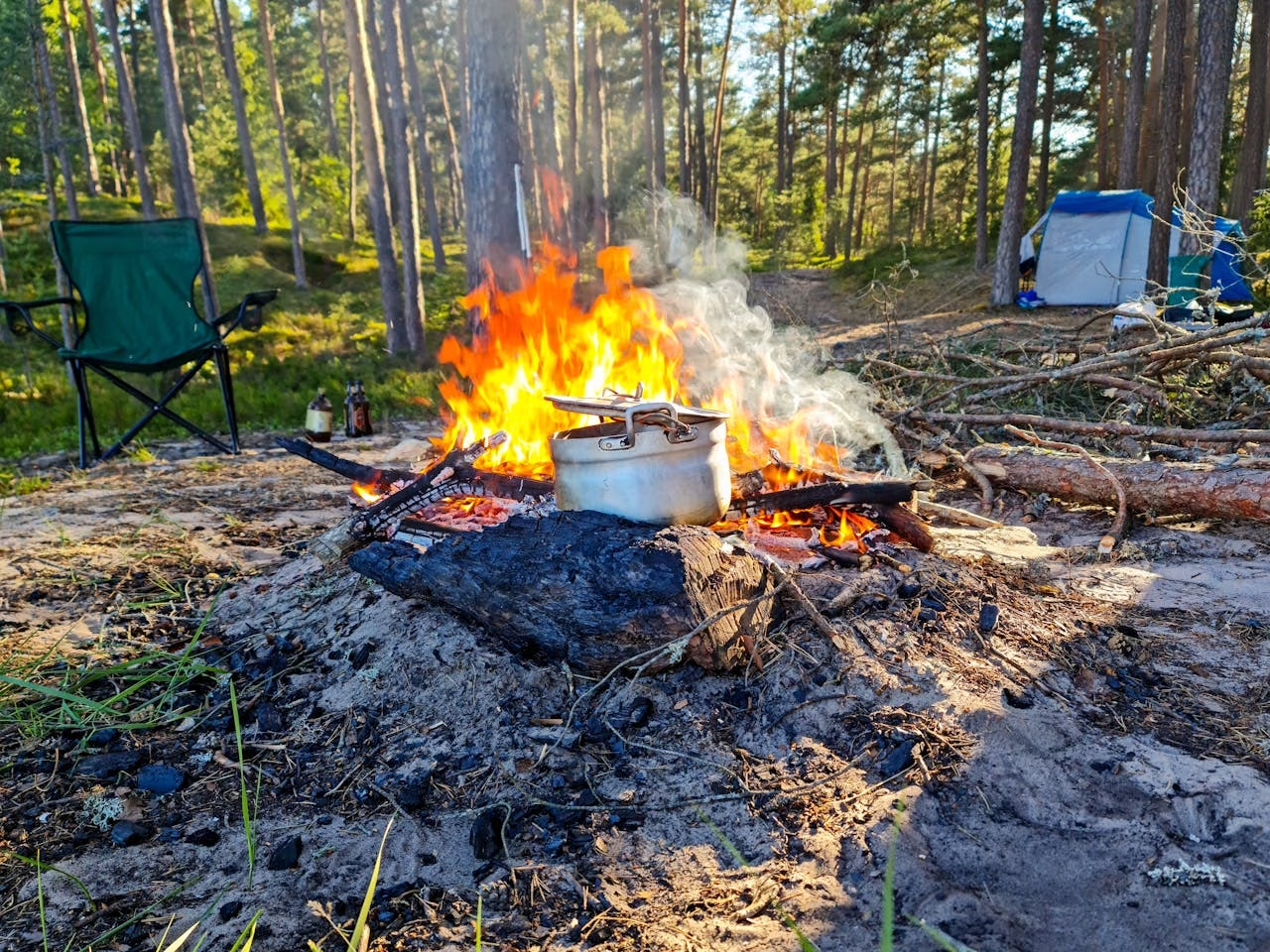
Clear, age-appropriate rules before the trip can prevent many mishaps.
Boundaries and Staying Together
Before arrival, decide what parts of the campsite kids can access on their own. Explain that they must stay within eyesight or “camp boundaries.” Pair kids so they always have a buddy when exploring.
Water Safety
Water is a big draw — lakes, rivers, and streams are tempting for kids. Teach them they cannot approach water without an adult present. Assign a designated watcher when water play is part of your activities.
Wildlife and Plants
Nature is beautiful but unpredictable. Teach children:
- Not to feed or approach any animals.
- Never to touch plants they don’t recognize.
- To keep food stored securely to avoid attracting wildlife.
Communication Tools
Give older children whistles and teach them to use them if they get separated. Walkie-talkies can help older kids stay in touch when exploring.
Campsite Setup: Safety Starts on Arrival
Once at your campsite, take time to make it safe.
Visual Boundaries
Create visual markers like rocks or flags to define play areas. Reflective flags help kids see boundaries even after dark.
Campfire Safety
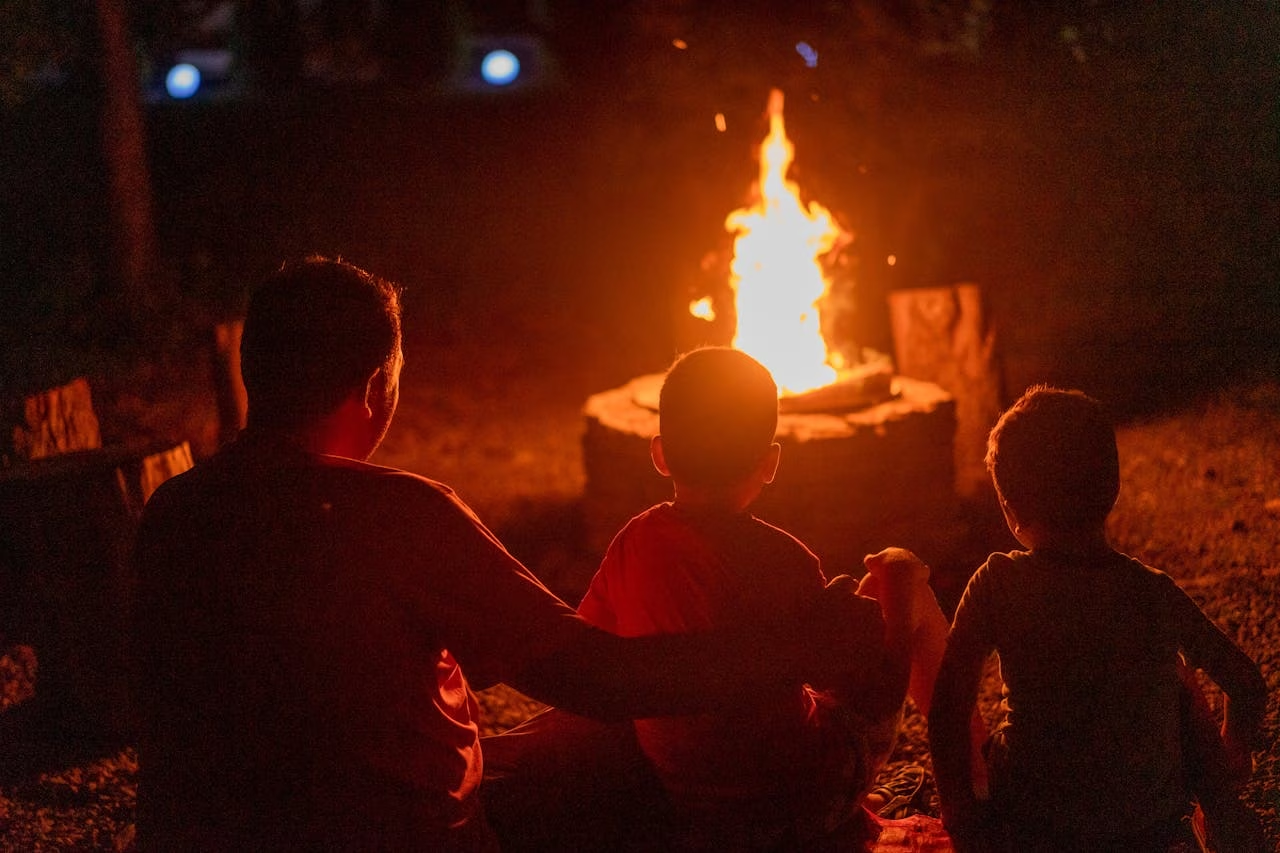
Campfires are fun but dangerous:
- Clearly communicate that the fire pit is a no-play zone.
- Never leave a fire unattended.
- Keep a bucket of water or sand nearby to extinguish embers.
Camp Tools and Gear
Keep tools like axes, knives, fuel bottles, and other dangerous equipment out of reach from children.
Health & Emergency Preparedness
Kids’ bodies can react quickly to temperature swings, insect bites, and dehydration.
Weather Awareness
Check forecasts before your trip and plan for rapid changes. Dress kids in layers so they can adjust to heat or cold.
Hydration and Nutrition
Pack more water than you think you’ll need. Children dehydrate faster than adults. Keep healthy snacks easily accessible.
First Aid Skills
Know basic first aid before your trip. Review how to clean and bandage wounds, handle blisters, and recognize signs of heat-related illness and hypothermia.
Emergency Contacts and Plans
Make sure kids know your campsite number and how to reach you or another adult in the party if separated.
Teach Leave No Trace Principles
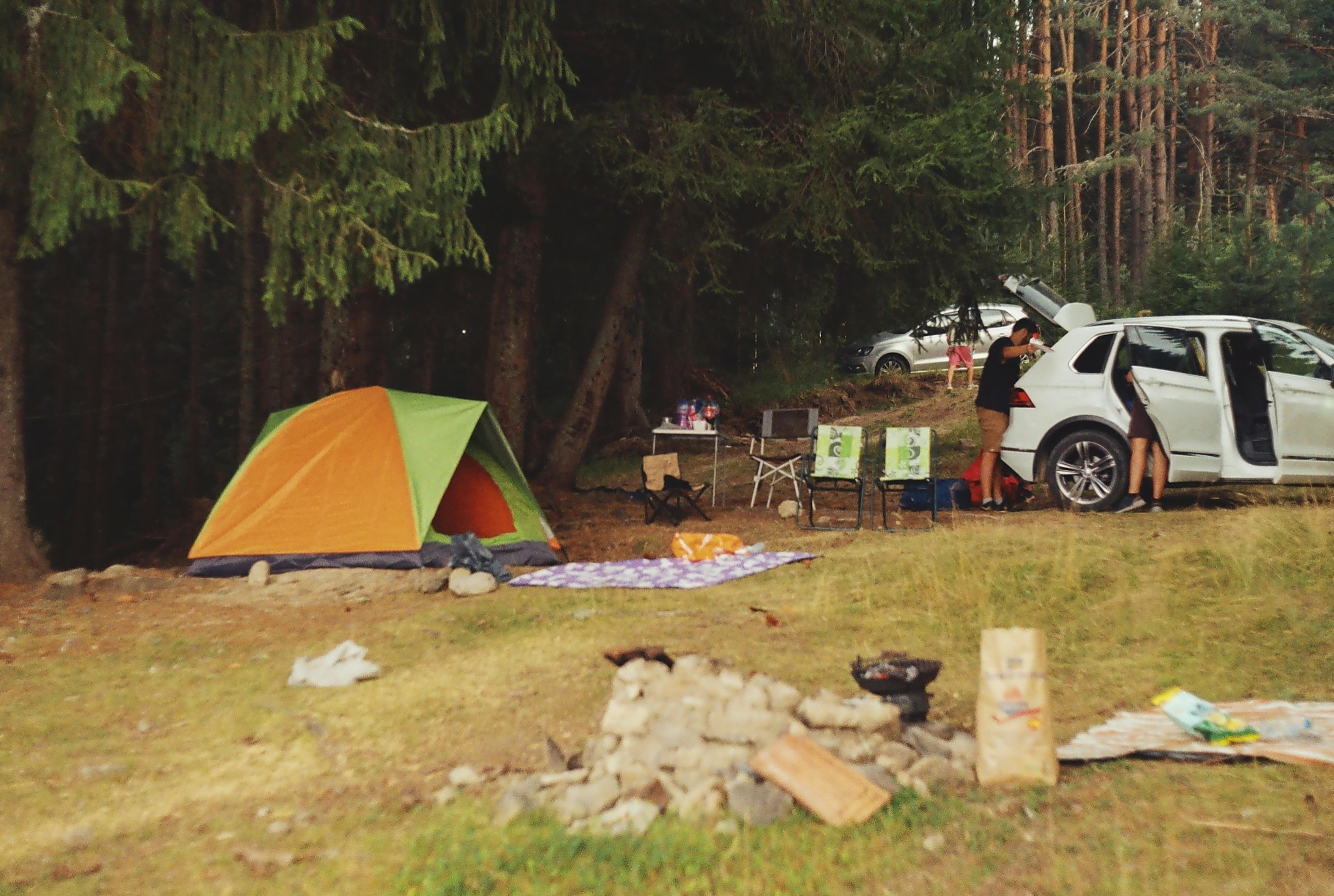
Safety isn’t just injury prevention — it’s protecting nature too.
Introduce kids to Leave No Trace principles:
- Respect wildlife from a distance.
- Pack out all trash.
- Minimize campfire impacts.
- Dispose of waste properly. (Leave No Trace)
This teaches stewardship of nature while keeping your campsite clean and safe.
Conclusion: Safety First, Adventure Always
Camping with kids doesn’t have to be stressful. With thoughtful planning, clear communication, and responsible rules, you can reduce risk and make your trip both safe and unforgettable. Key takeaways:
- Plan your campsite and pack with safety in mind.
- Establish clear rules and expectations with your kids.
- Set up a safe campsite with defined boundaries.
- Prepare for weather, injuries, and emergencies.
- Teach respect for people and for the environment.
Now that you have a solid safety framework, you can focus on the real reason you camp: quality time, exploration, and lifelong memories.