
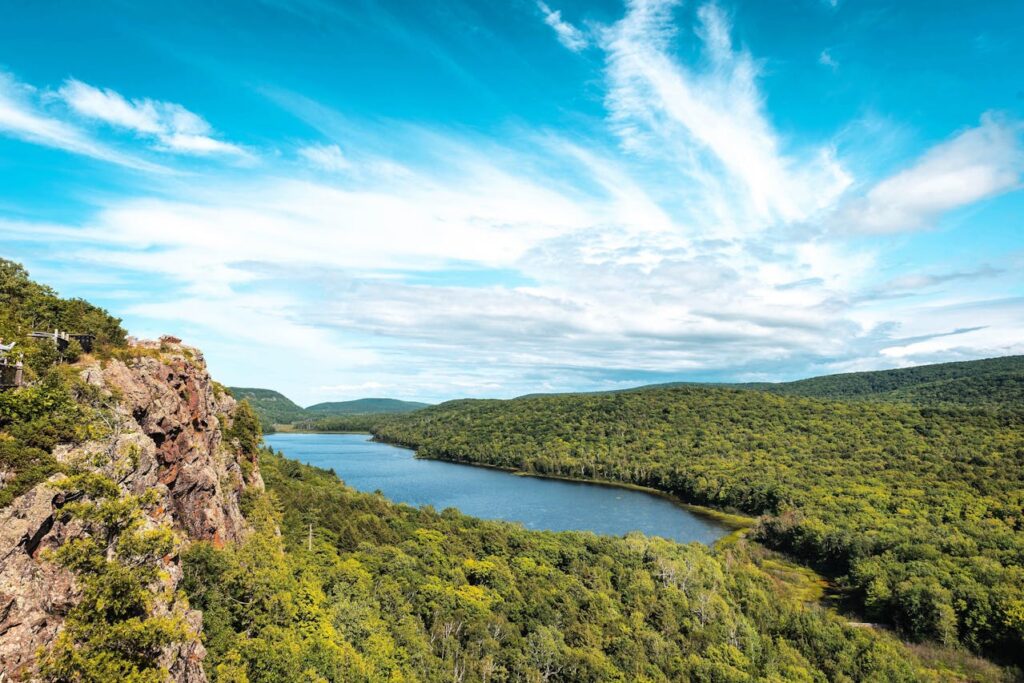
Best Camping Trips by Region: The Central Midwestern States
Table of Contents
Discover the heartland’s hidden camping gems — from ancient dunes and glacier-carved bluffs to some of America’s most underrated wilderness.
The Midwest doesn’t make the cover of many outdoor magazines. That’s a mistake — and one that savvy campers are quietly exploiting. While crowds flood Yellowstone and the Smokies, the Central Midwestern states offer thousands of acres of uncrowded trails, dramatic river valleys, pristine lakes, and landscapes shaped by glaciers, prairies, and ancient seas. Whether you’re a weekend warrior from Chicago or a road-tripper crossing the heartland, this guide covers the best camping trips in the Central Midwest — state by state — with the practical detail you need to actually plan your trip.
This article covers the best campgrounds and outdoor destinations across Illinois, Indiana, Ohio, Michigan, Wisconsin, Minnesota, Iowa, Missouri, and Kansas, including when to go, what to expect, and insider tips you won’t find on the park’s front page.
Already explored the coasts? See our guide to West Coast and East Coast Camping Trips for a comparison, or check out Camping in the Southern vs Northern United States to understand how the Midwest fits into the bigger regional picture.
Why Camp in the Central Midwest?
Most people drive through the Midwest to get somewhere else. That’s their loss.
The Central Midwest sits at the convergence of several dramatically different ecosystems: the Great Lakes shoreline, the Ozark Highlands, the tallgrass prairie remnants, ancient river bluffs, and one of the largest freshwater dune systems on Earth. Campgrounds here tend to be less crowded than national parks out West, fees are generally lower, and the communities around them are genuinely welcoming.
The region also rewards slow, attentive travel. This isn’t landscape that announces itself loudly. It earns your admiration — and once it has it, it tends to keep it.
Michigan: The Great Lakes Camping Capital
Michigan is the undisputed heavyweight of Midwest camping. Surrounded by four of the five Great Lakes, the state offers more than 100,000 miles of streams, 11,000 inland lakes, and two peninsulas with dramatically different personalities.
Sleeping Bear Dunes National Lakeshore (Lower Peninsula)
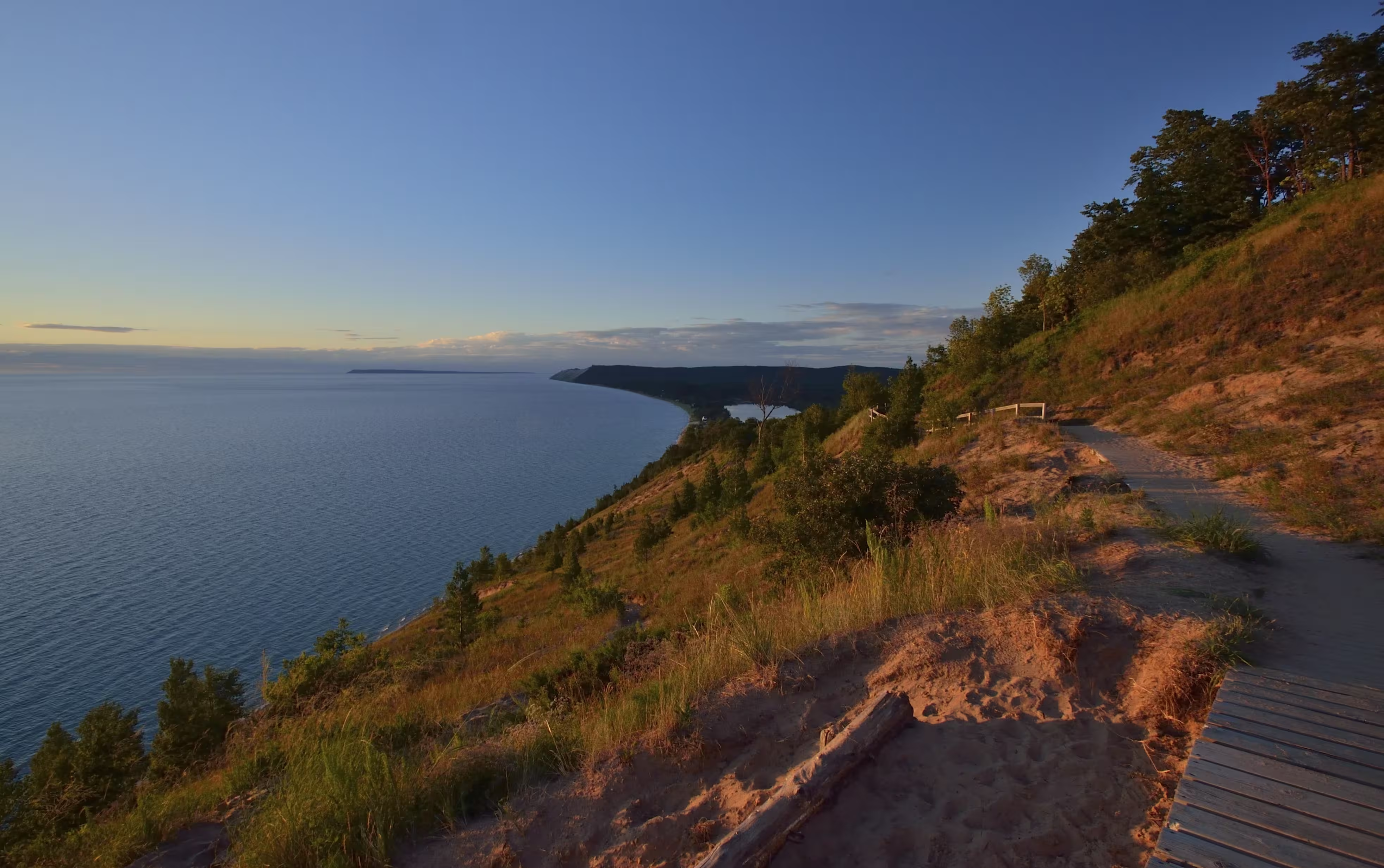
Voted “Most Beautiful Place in America” by viewers of ABC’s Good Morning America, Sleeping Bear Dunes deserves every bit of the praise — and is still manageable if you plan well.
D.H. Day Campground sits within walking distance of the lakeshore, offering tent and RV sites surrounded by towering hardwoods. Sites book up fast from May through September; reserve on Recreation.gov the moment your window opens (often six months out).
The Dune Climb is the iconic experience here — a steep, 450-foot sand face that rewards climbers with views across Lake Michigan. Hike beyond the climb all the way to the lake itself (a 3.5-mile round trip) for one of the most surreal landscapes in the Midwest: endless blue water backed by ancient dunes that rise up to 400 feet.
- Best time to visit: Late June through early October; September offers stunning color and fewer crowds
- Don’t miss: The Sleeping Bear Point Trail for a quieter dune experience and views of North and South Manitou Islands
- Insider tip: Canoe the Crystal River, which runs through the park — it’s gin-clear, shallow, and rarely crowded
Porcupine Mountains Wilderness State Park (Upper Peninsula)
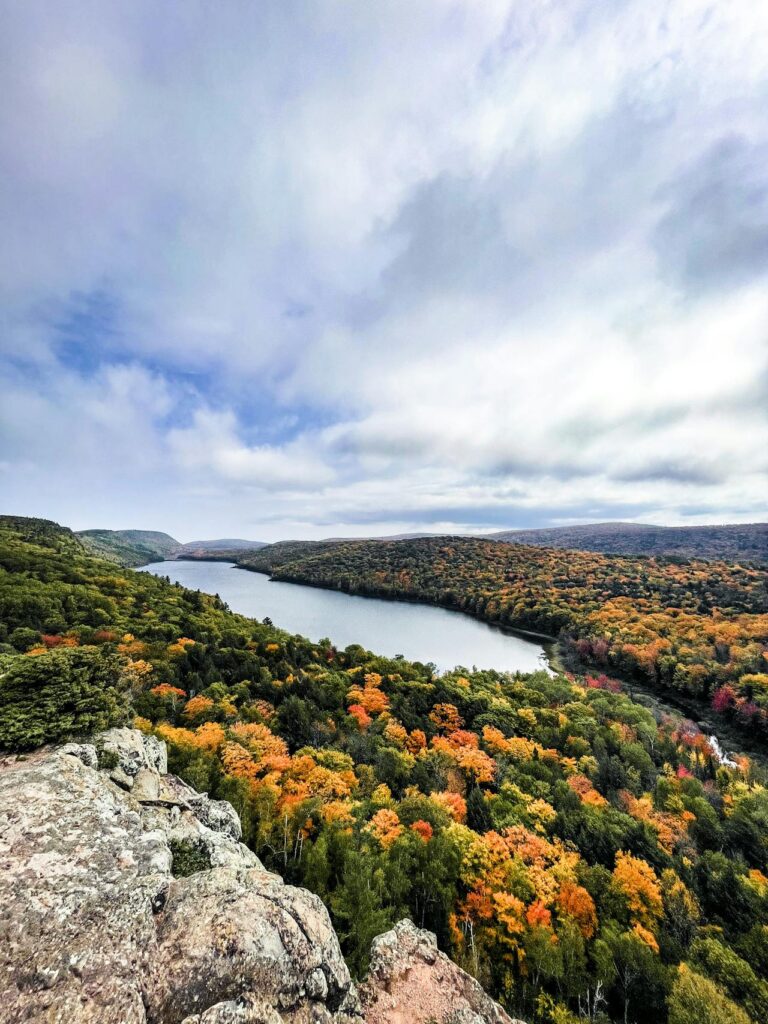
The “Porkies” represent everything that makes Michigan’s Upper Peninsula special: old-growth forest, cascading waterfalls, remote backcountry, and views that stop you cold. The park contains one of the largest virgin northern hardwood forests east of the Rockies.
Lake of the Clouds is the signature vista — a glacially-carved inland lake hemmed in by ancient hemlocks, best seen at sunrise when mist rises off the water. The backcountry cabin system here is exceptional; 19 rustic cabins are scattered throughout the park and can be reserved year-round, making this an ideal four-season destination.
- Best time to visit: Late September for fall color; February for snowshoeing and aurora viewing
- Campground: Union Spring Campground for developed sites; pull permits for backcountry at the visitors center
- Insider tip: Black bears are common — hang food properly and store it in your vehicle overnight
Pictured Rocks National Lakeshore (Upper Peninsula)
Twelve miles of sandstone cliffs painted in mineral-stained reds, oranges, and greens rising directly from Lake Superior. Pictured Rocks is spectacular from a kayak — the gold-standard way to experience the park — and the backcountry trail system (the North Country Trail runs its full length) provides some of the finest lakeshore hiking in the country.
Hurricane River Campground and Twelvemile Beach Campground both sit directly on Lake Superior. These are primitive sites; come prepared for cold nights even in summer (Superior’s water temperature rarely breaks 60°F, which keeps air temperatures cool).
Wisconsin: Glacier Country and Island Escapes
Wisconsin’s landscape was sculpted by the last ice age, leaving behind a terrain of kettle lakes, eskers, and dramatic bluffs that reward campers willing to explore beyond the obvious.
Apostle Islands National Lakeshore
Twenty-one islands scattered across Lake Superior’s Chequamegon Bay, with sea caves, historic lighthouses, and some of the most dramatic kayaking in the Midwest. This is a destination that demands a few days minimum.
Mainland sea caves at Meyers Beach are accessible by foot in winter when Superior freezes (a genuinely otherworldly experience) and by kayak in summer. Island camping requires a permit and a boat; the National Park Service runs a ferry to Stockton Island, the largest and most developed for camping.
- Best time to visit: July–August for kayaking; January–February for ice caves (weather-dependent)
- Insider tip: Rent a kayak through one of the outfitters in Bayfield rather than hauling your own; guided tours are worth it for first-timers given Superior’s unpredictable conditions
Devil’s Lake State Park
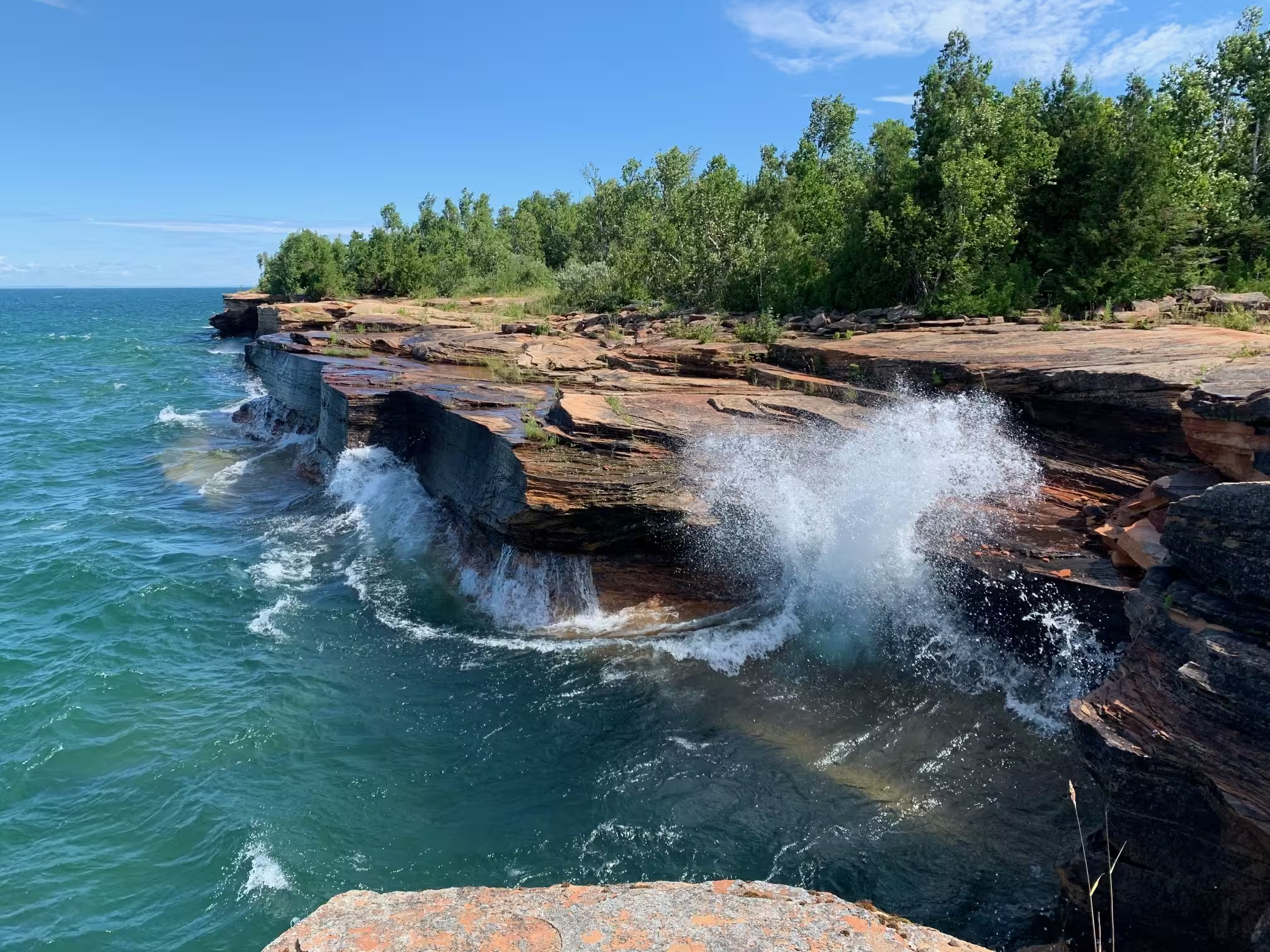
Wisconsin’s most-visited state park earns its popularity. Two-hundred-foot quartzite bluffs rise on either side of a 360-acre glacial lake, offering climbing routes, hiking trails, and swimming in water that stays cleaner than almost any other lake in the region.
Campsites book out months in advance for summer weekends. Arrive midweek or aim for early October, when the bluffs explode in fall color and the crowds thin dramatically.
Peninsula State Park (Door County)
Door County’s maritime culture, orchards, and fishing villages make it a destination in its own right, and Peninsula State Park anchors the experience. Nearly 470 campsites spread across a forested peninsula jutting into Green Bay, with excellent mountain biking, a scenic road for cycling families, and direct water access.
Minnesota: The Boundary Waters and Beyond
Minnesota is a pilgrimage destination for canoeists, and the Boundary Waters Canoe Area Wilderness (BWCAW) is why.
Boundary Waters Canoe Area Wilderness
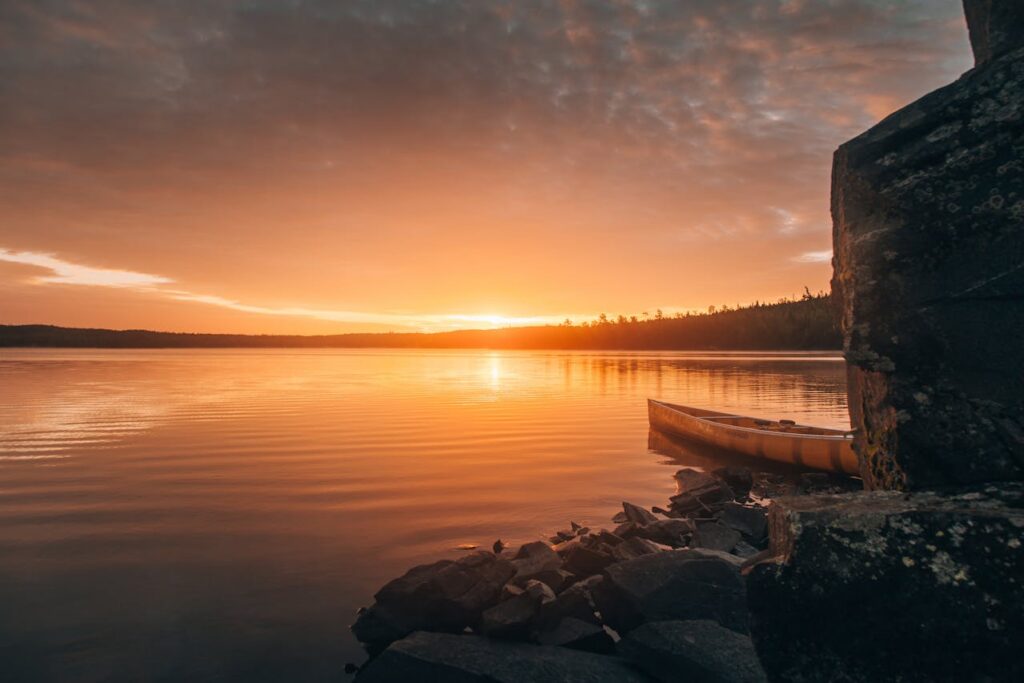
The BWCAW covers more than one million acres in northeastern Minnesota, containing over 1,200 miles of canoe routes and more than 2,000 designated campsites accessible only by water or foot. There are no motors allowed in most of the area, no roads, and no permanent structures. What you get instead is complete silence, fishing for walleye and northern pike in pristine lakes, loon calls echoing across the water at dusk, and night skies that remind you what stars actually look like.
Planning is everything here:
- Obtain a permit through Recreation.gov — quota entry points fill up fast for summer weekends
- Choose an entry point based on your experience level; Moose Lake and Snowbank Lake are popular but manageable for first-timers
- Practice your portaging technique before you arrive; most routes involve multiple carries between lakes
- Bring bear canisters — they’re required in some zones and smart everywhere
- Best time to visit: Late August through mid-September for blueberry season, bug reduction, and moose sightings
- Insider tip: Paddle in a few lakes deep before setting up a base camp — the farther in you go, the better the fishing and the more remote the experience
Itasca State Park
The headwaters of the Mississippi River emerge from Lake Itasca as a shallow stream you can wade across in under a minute — a genuinely moving experience for anyone who’s seen the river at its lower power. The park itself is Minnesota’s oldest, with old-growth pines, a scenic forest drive, and excellent hiking and cycling.
The Itasca Wilderness Sanctuary Scientific and Natural Area protects old-growth forest within the park. It’s worth the extra walk for the cathedral-like quiet of ancient pines.
Ohio: River Valleys and Ancient History
Ohio surprises people. The southeastern quarter of the state — carved by the Hocking, Scioto, and Ohio rivers — is rugged, forested, and genuinely wild.
Hocking Hills State Park
This is Ohio’s crown jewel, and it earns the title. Recess caves, waterfalls, and hemlock-draped gorges cut into Black Hand sandstone — the scenery is ancient and atmospheric in a way that consistently shocks first-time visitors who came expecting flat farmland.
Old Man’s Cave is the most famous feature, a massive recess cave where waterfalls cascade into a hemlock gorge. Ash Cave, the largest recess cave east of the Rockies, measures 700 feet in length and 100 feet in depth. Both are accessible via a connected trail system that can be walked in a day.
The Hocking Hills State Park Campground books out on summer weekends with military precision. Reserve as early as possible. Alternatively, the surrounding Hocking State Forest offers dispersed camping opportunities with more solitude.
- Best time to visit: Late October through early November for frozen waterfalls and low crowds; April for wildflower blooms in the gorges
- Insider tip: The park connects to a 24-mile Grandma Gatewood Trail — an excellent overnight for those wanting more than a day hike
Cuyahoga Valley National Park
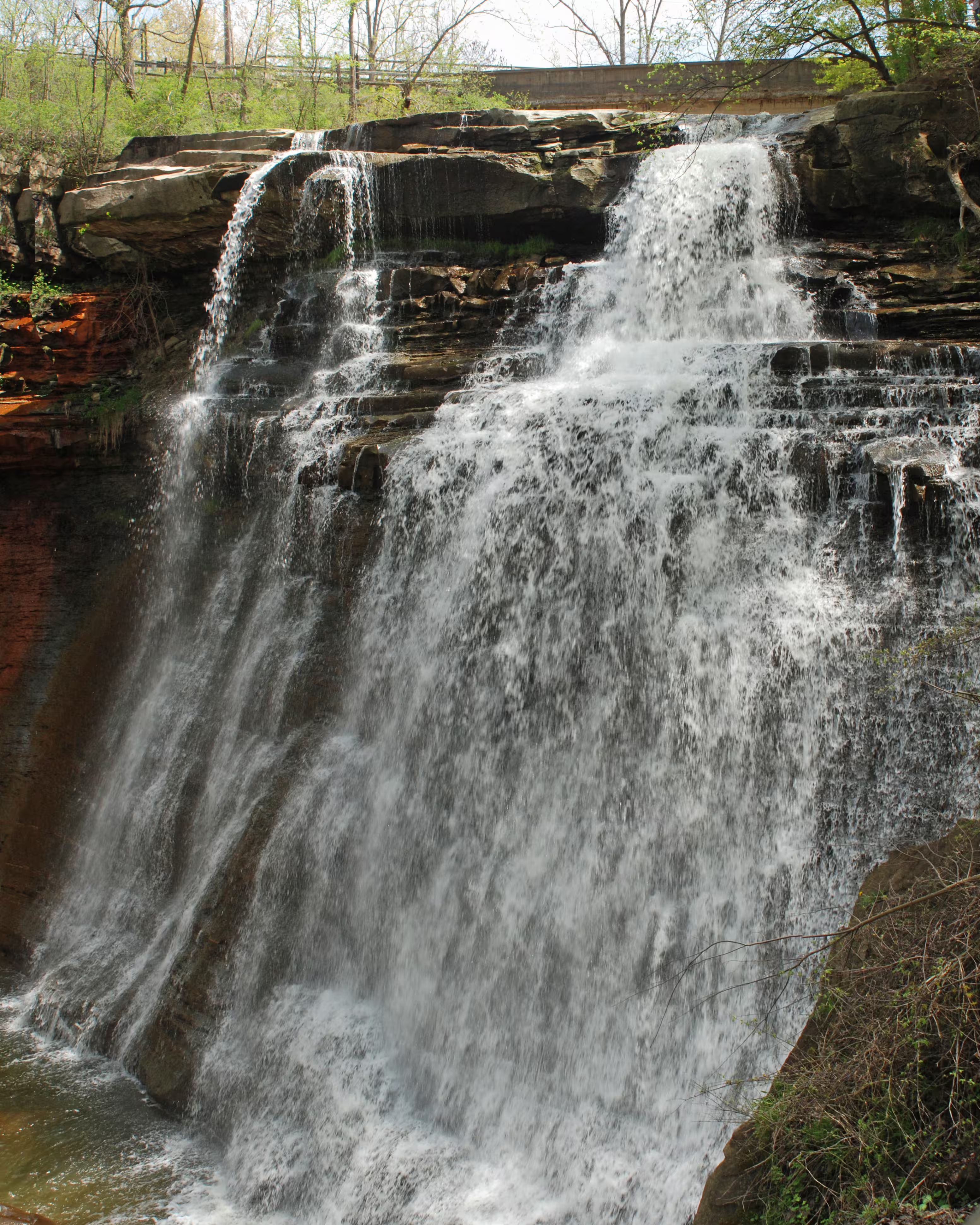
Ohio’s only national park threads along the Cuyahoga River between Cleveland and Akron, protecting 33,000 acres of forest, wetlands, and working farms. The Towpath Trail follows the historic Ohio & Erie Canal for 20 miles through the park — excellent for cycling and hiking alike.
Camping within the park itself is limited to the Stanford Campground (backpack-in only, 9 miles round trip) and the Inn at Brandywine Falls for those wanting comfort. The surrounding area offers additional private and county campground options.
Indiana: Dunes and River Escapes
Indiana’s camping reputation lives and dies by its dunes — and those dunes deserve every ounce of the reputation.
Indiana Dunes National Park
Indiana Dunes became a national park in 2019, a long-overdue recognition of one of the most ecologically diverse landscapes in the Midwest. Within a short drive of Chicago’s skyline, the park contains one of the most biologically diverse plant communities in North America — tallgrass prairie, wetlands, oak savannas, and the iconic lakeshore dunes all exist within the same landscape.
Dunewood Campground is the primary campground, with 74 sites suitable for tents and RVs. The trail system ranges from the intense Mt. Baldy climb (a living, migrating dune) to gentle wetland walks. Swimming beaches are excellent in summer.
- Insider tip: Drive or bike the Calumet Bike Trail through the park for a different angle on the landscape — the contrast between industrial Gary to the west and the pristine dune ecology is genuinely thought-provoking
Hoosier National Forest
Southern Indiana’s Hoosier National Forest offers over 200,000 acres of forested ridges, hollows, and lakes that most Midwesterners have never visited. The Hickory Ridge and German Ridge recreation areas provide backcountry camping with excellent ridge-top hiking and views across the Ohio River valley.
Missouri: The Ozark Highlands
Missouri’s Ozarks represent the most rugged terrain in the Central Midwest — ancient, heavily dissected plateau country of clear-running rivers, limestone caves, and dense oak-hickory forest.
Ozark National Scenic Riverways
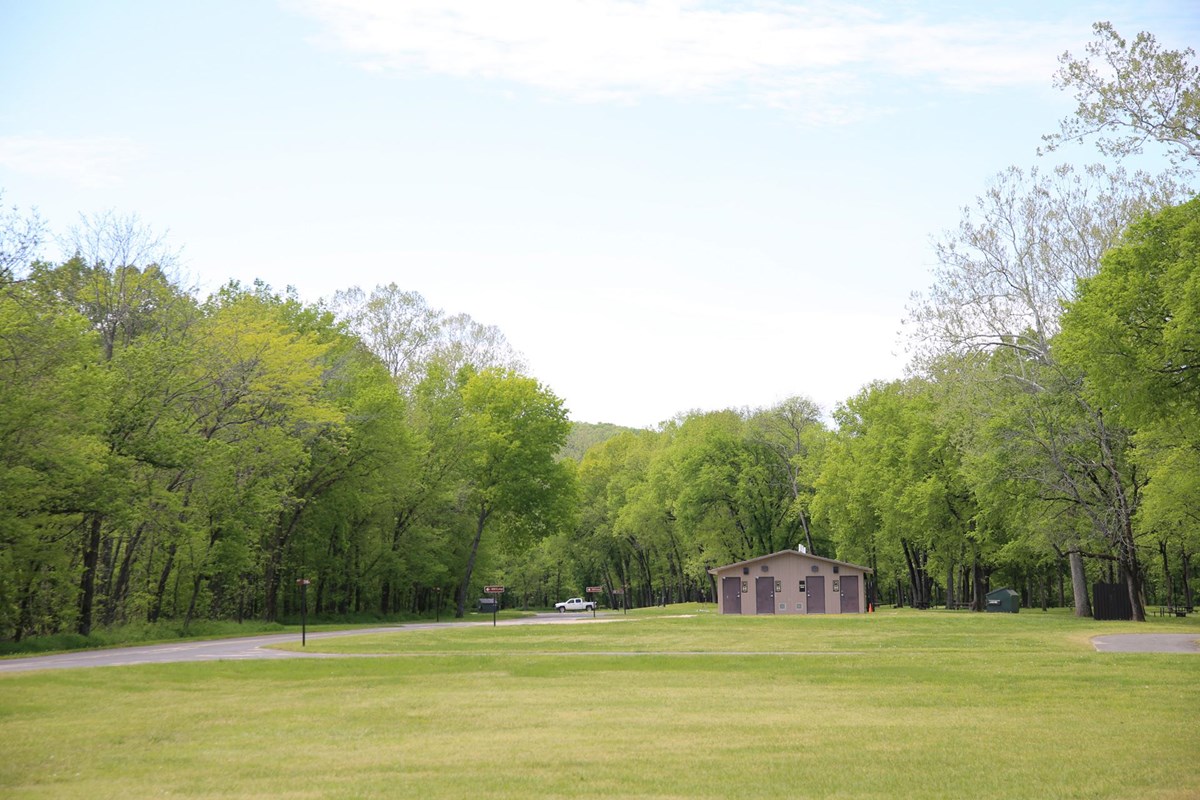
The Current and Jacks Fork rivers form America’s first national scenic riverway, and they deserve the designation. Both rivers spring from massive underground aquifers, running crystal clear and cold year-round. Float trips — in canoes, kayaks, or on inner tubes — are the primary experience.
Camping along the riverways is generous, with numerous campgrounds and primitive sites accessible by water and road. Alley Spring Campground combines historical interest (a beautifully preserved 1894 mill) with excellent access to both the river and hiking trails.
- Best time to visit: May through September for floating; October for fall color and solitude
- Insider tip: The rivers run cold even in August — bring a wetsuit for extended paddling or children swimming
Johnson’s Shut-Ins State Park
Missouri’s most dramatic geology: the Black River cuts through a series of Precambrian rhyolite formations, creating a natural waterpark of chutes, pools, and channels. Enormously popular with families for good reason. Arrive early in summer — parking fills before 10 AM on weekends.
Mark Twain National Forest
Spread across southern and central Missouri, Mark Twain National Forest provides the Ozarks’ backbone. The Eleven Point National Scenic River within the forest is one of the most beautiful float streams in the region and significantly less visited than the Ozark Scenic Riverways.
Illinois: Prairie Rivers and Shawnee Hills
Illinois is mostly overlooked for camping, which means southern Illinois in particular remains genuinely uncrowded.
Shawnee National Forest
The state’s southernmost reaches are defined by the same sandstone geology as the Ozarks, and Shawnee National Forest protects the result: Garden of the Gods, a rock formation area of wind-sculpted sandstone outcrops with views across the forest canopy; Pomona Natural Bridge, a 90-foot natural sandstone arch; and the River-to-River Trail, a 160-mile route from the Ohio to the Mississippi.
Garden of the Gods Campground has 12 sites — small, often busy, but worth securing for direct access to the rock formations at sunrise and sunset.
- Best time to visit: April–May for wildflowers; October–November for fall color
- Insider tip: The Rim Rock National Recreation Trail above Pounds Hollow Lake is one of the most scenic short hikes in the Midwest that virtually no one outside Illinois has heard of
Iowa: Loess Hills and Prairie Remnants
Iowa doesn’t market itself as a camping destination, which is a disservice to its most distinctive landscape.
Loess Hills National Scenic Byway
The Loess Hills run along Iowa’s western border, a narrow band of wind-deposited soil formations found at this scale only here and in parts of China. The hills rise sharply from the Missouri River floodplain, offering ridge-top hiking with sweeping views across the prairie.
Stone State Park in Sioux City provides accessible camping with excellent trail access into the hills. Farther south, Preparation Canyon State Park offers more solitude and undeveloped landscape.
Maquoketa Caves State Park
Thirteen caves, limestone formations, and a trail system threading through forested ravines — Maquoketa is Iowa’s most-visited state park for good reason. The caves range from walk-through passages to technical crawls that require headlamps and are best saved for older children and adults comfortable with tight spaces.
Kansas: Tallgrass Prairie and Hidden Reservoir Camping
Kansas offers a different kind of camping experience — one centered on sky, silence, and one of the last remnants of a vanished ecosystem.
Tallgrass Prairie National Preserve
Less than 4% of the original tallgrass prairie remains in North America. The Flint Hills of Kansas protect the largest intact remnant, and the Tallgrass Prairie National Preserve at Strong City offers hiking trails through a working ranch landscape where bison have been reintroduced.
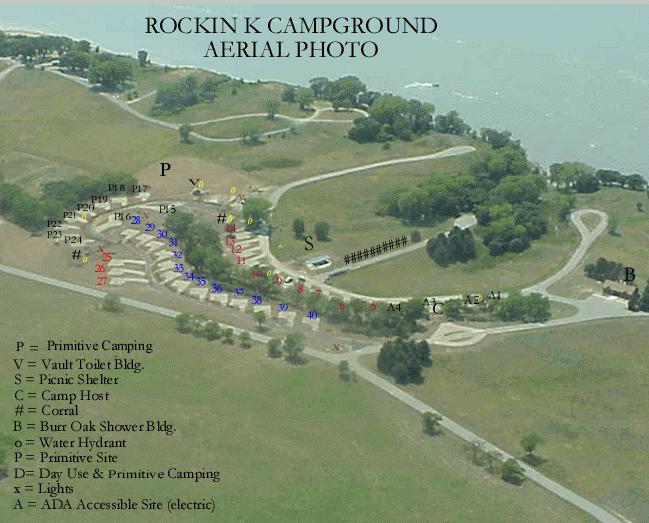
There is no camping within the preserve itself, but Kanopolis State Park to the north offers the complete prairie experience with reservoir access, canyon hiking through Dakota sandstone, and some of the darkest night skies in the region — excellent for stargazing.
- Insider tip: Visit in May when the Flint Hills are burned (ranchers manage the land with prescribed fire) and new green growth emerges — the landscape looks almost impossibly vivid
Planning Your Central Midwest Camping Trip: Practical Tips
When to Go
The sweet spot for most Central Midwest camping is late May, early June, and mid-August through October. July is peak season — hot, humid, and crowded. September and October reward the flexible traveler with fall color, mild temperatures, and significantly reduced crowds.
Permits and Reservations
- Book Michigan state park sites and BWCAW permits as far in advance as possible — six months out for summer weekends
- Many Ozark Riverways sites are first-come, first-served — arrive Thursday for weekend trips
- Hocking Hills and Sleeping Bear fill up quickly; use Recreation.gov alerts
Wildlife Awareness
The Central Midwest is home to black bears (Upper Michigan, parts of Wisconsin), timber rattlesnakes (Ozarks, Shawnee), white-tailed deer, and occasional river otters and bald eagles. See our Camping Safety Tips guide for wildlife protocols, before bringing young children into bear country or cave systems.
Leave No Trace in the Midwest
Prairie and dune ecosystems are particularly fragile. Stay on marked trails in dune areas — a single footstep can destroy decades of dune grass growth. In the Ozarks and cave systems, never touch cave formations; the oil from human hands kills organisms that took thousands of years to grow.
Conclusion: The Midwest Rewards Those Who Look
The Central Midwestern states don’t offer the vertical drama of the Rockies or the scenery-by-the-mile of the Pacific Coast — they offer something rarer in modern America: landscapes you have to pay attention to, campgrounds without four-hour check-in lines, and a slower kind of wonder that stays with you.
Key takeaways for planning your Central Midwest camping trip:
- Michigan’s Upper Peninsula and Boundary Waters are world-class destinations that hold their own against any national park in the country
- Southern Indiana, southern Illinois, and the Missouri Ozarks are dramatically underrated and significantly less crowded than comparable landscapes elsewhere
- Shoulder season camping (September–October) transforms the experience — better color, cooler temperatures, and dramatically thinner crowds
- Book Michigan state parks and BWCAW permits early; many other Midwest campgrounds remain first-come, first-served well into summer
The heartland has been hiding in plain sight. Time to go find it.
Frequently Asked Questions
What is the best camping in the Midwest for families?
Indiana Dunes National Park, Devil’s Lake State Park (Wisconsin), Hocking Hills (Ohio), and Maquoketa Caves (Iowa) are all excellent family choices with varied terrain, swimming, and shorter trails suitable for children.
Is the Boundary Waters hard to access as a beginner?
It requires planning and basic canoe skills, but many entry points are manageable for motivated beginners. Consider a guided trip for your first visit. Start with a single-night trip close to an entry point before committing to a multi-day deep-wilderness route.
When is the best time to visit Sleeping Bear Dunes?
Early September strikes the best balance — Lake Michigan is as warm as it gets, crowds drop after Labor Day, and early fall color begins in the surrounding forests.
Can you camp for free in the Central Midwest?
Yes — Hoosier National Forest, Shawnee National Forest, Mark Twain National Forest, and portions of the Ozark Scenic Riverways all offer dispersed or primitive camping at no cost or very low cost with minimal permitting requirements.